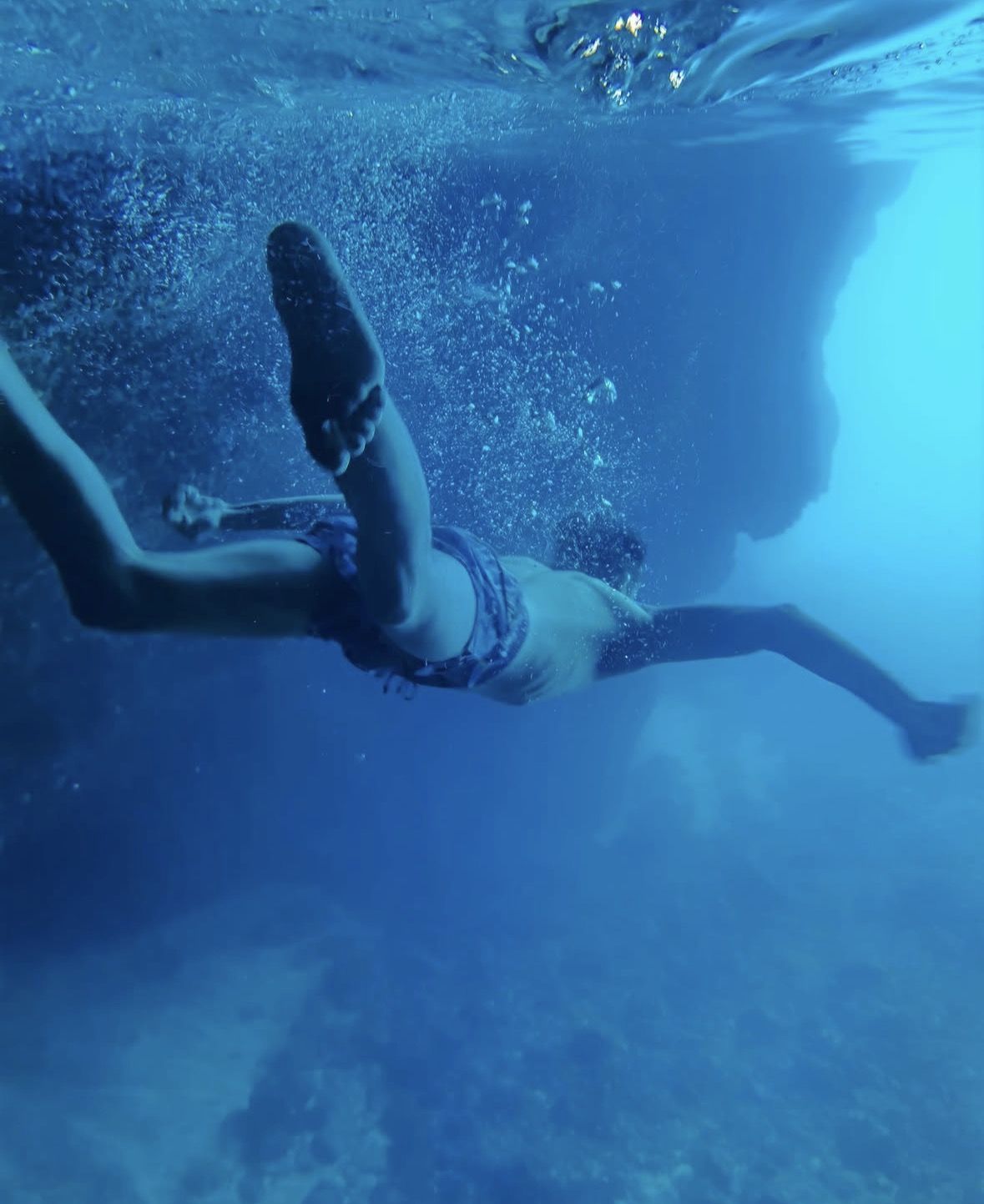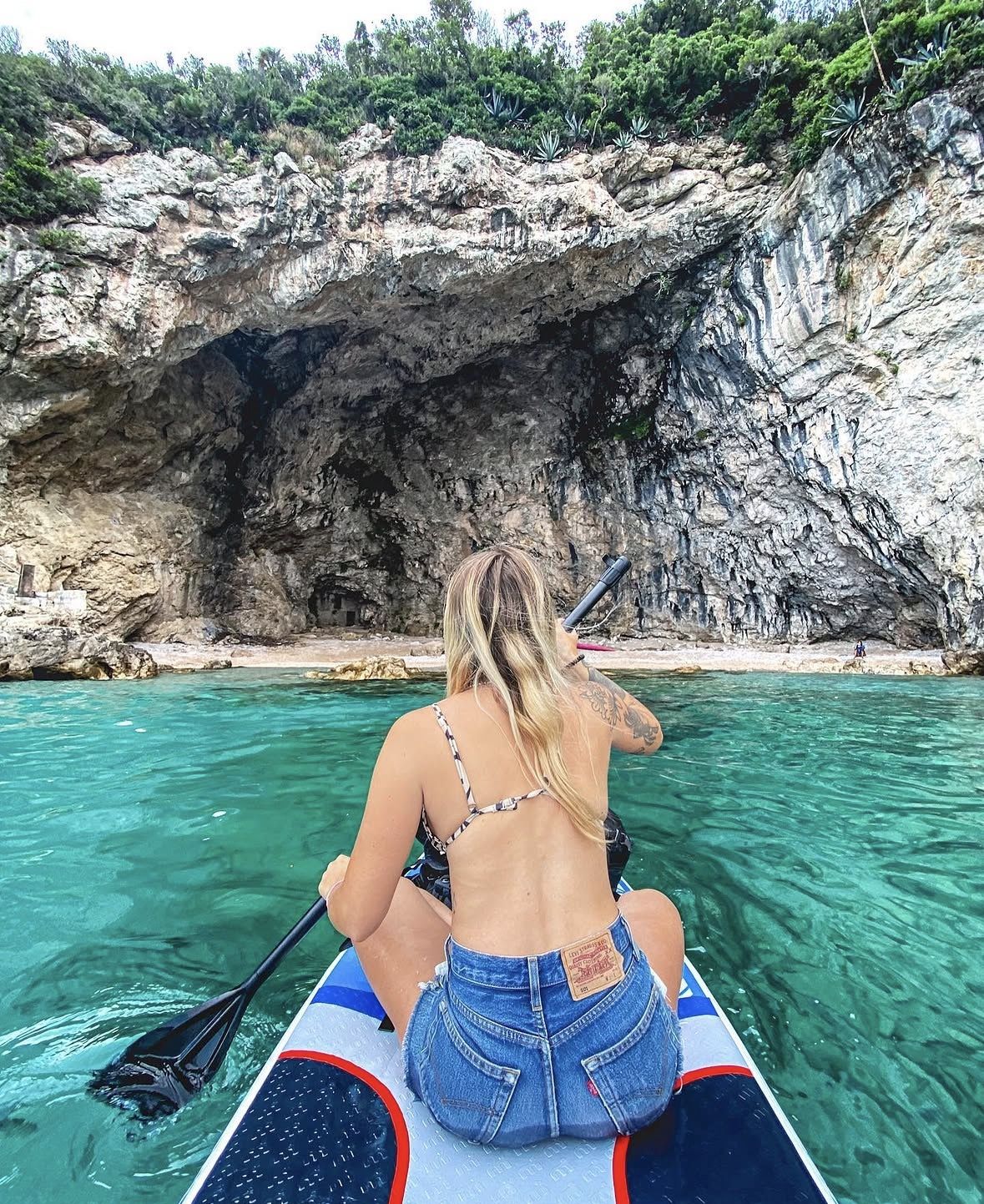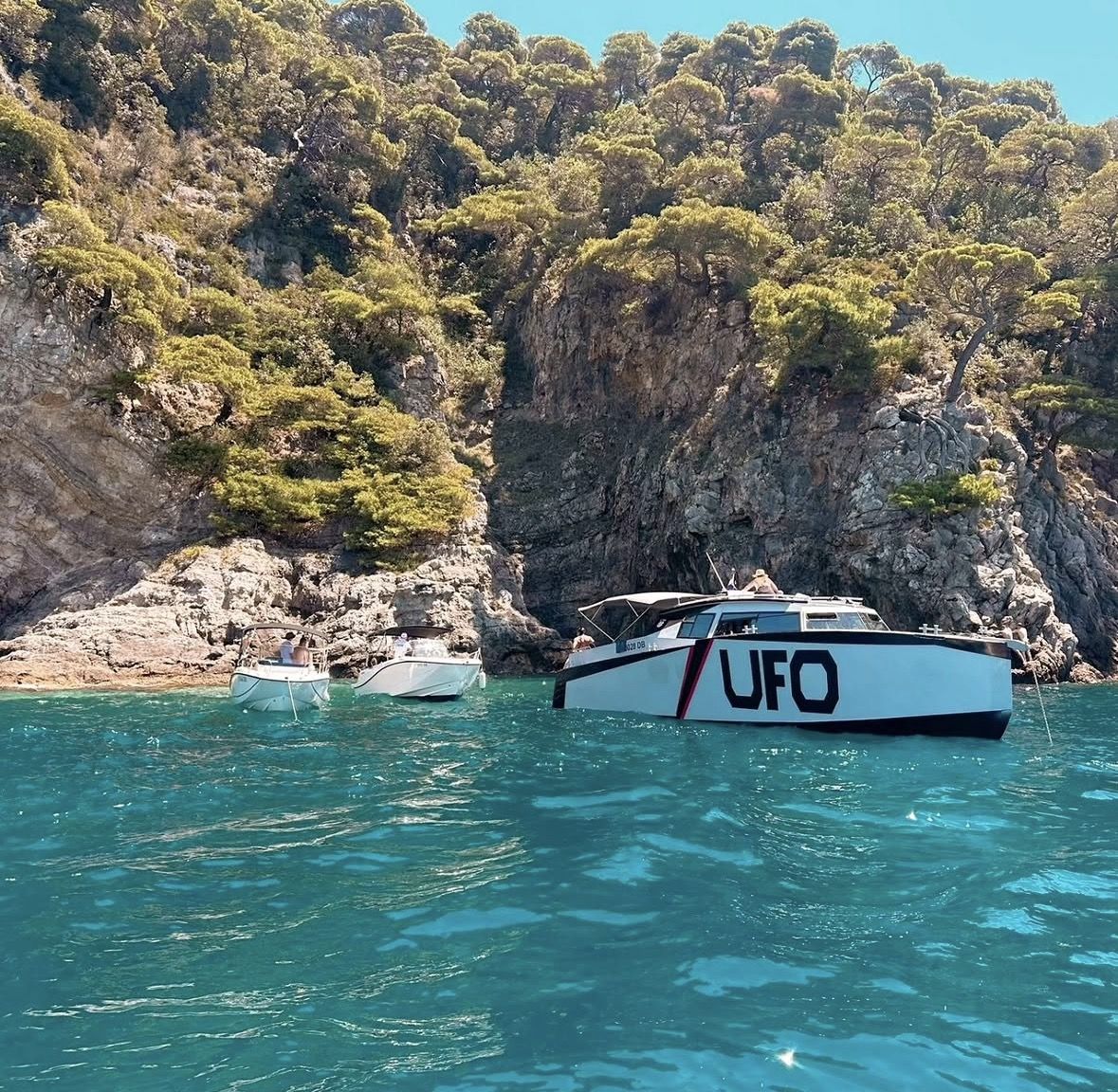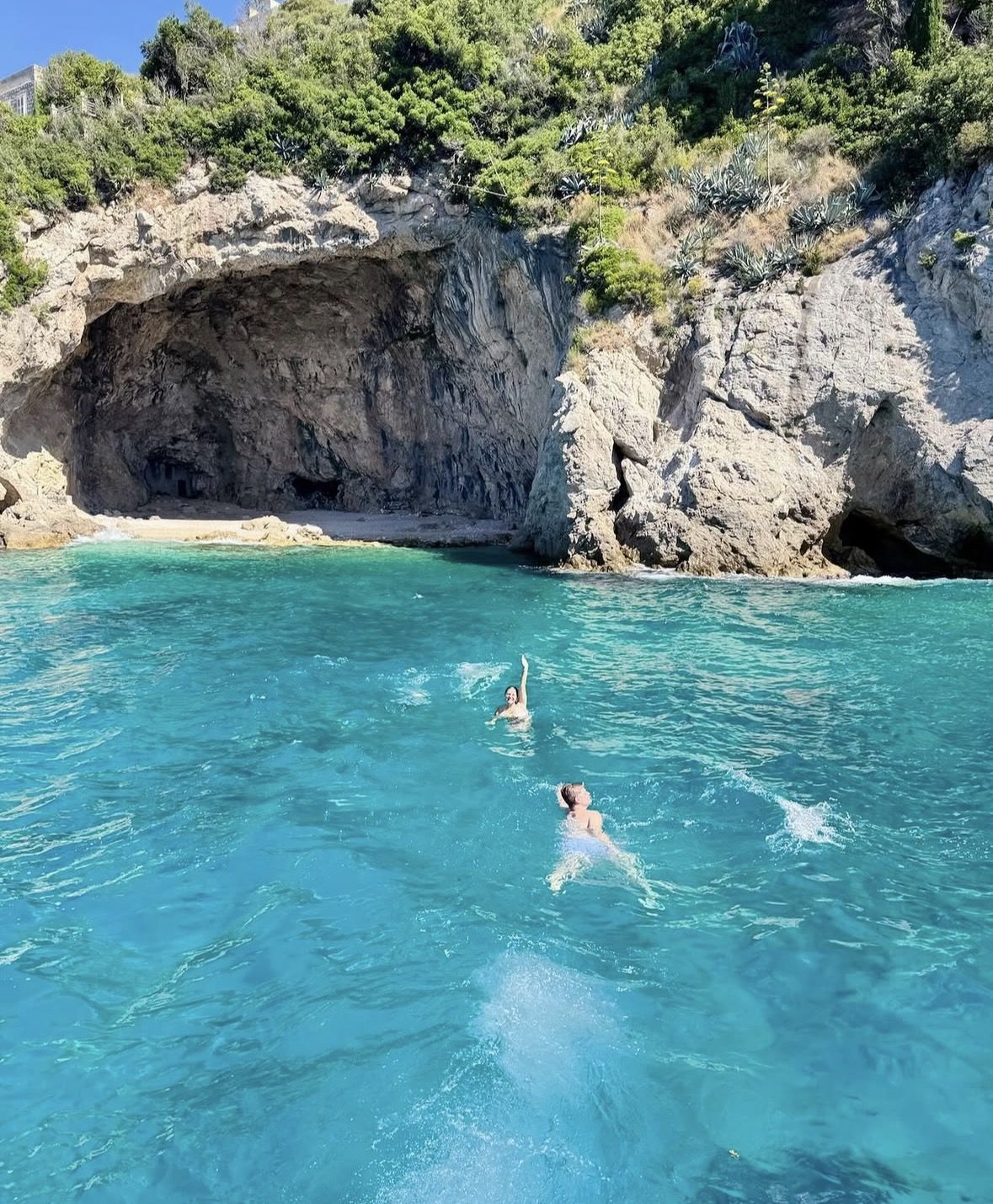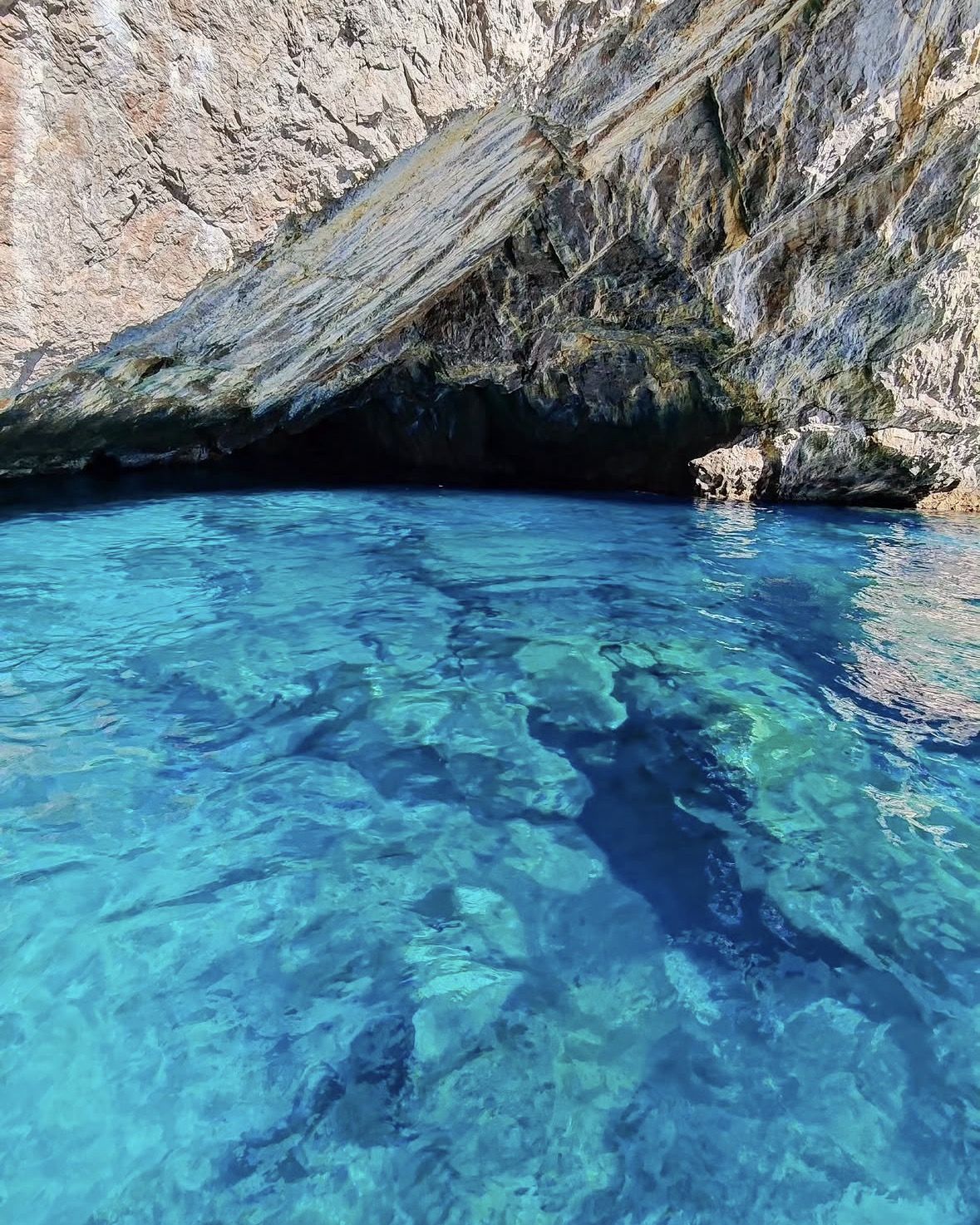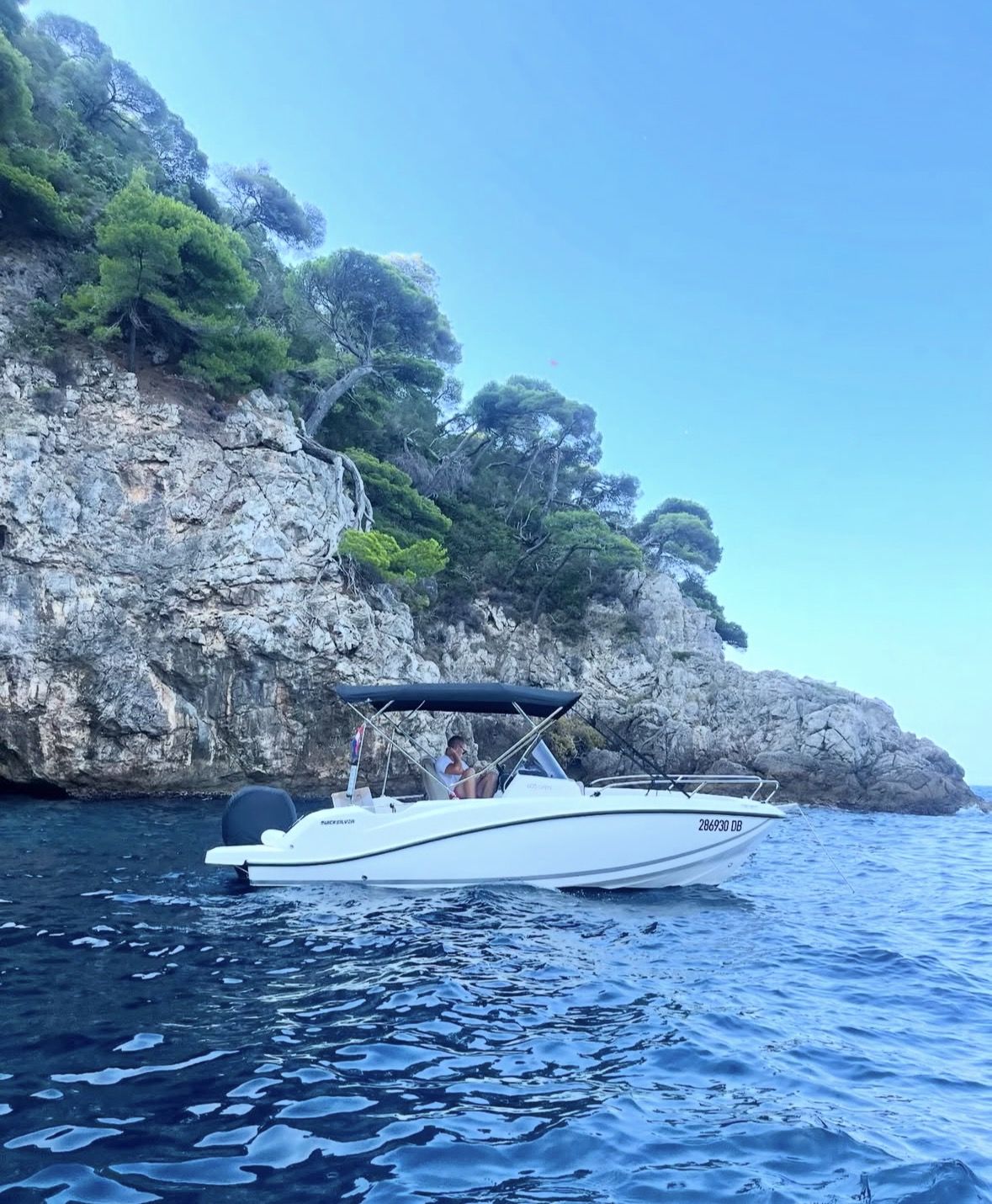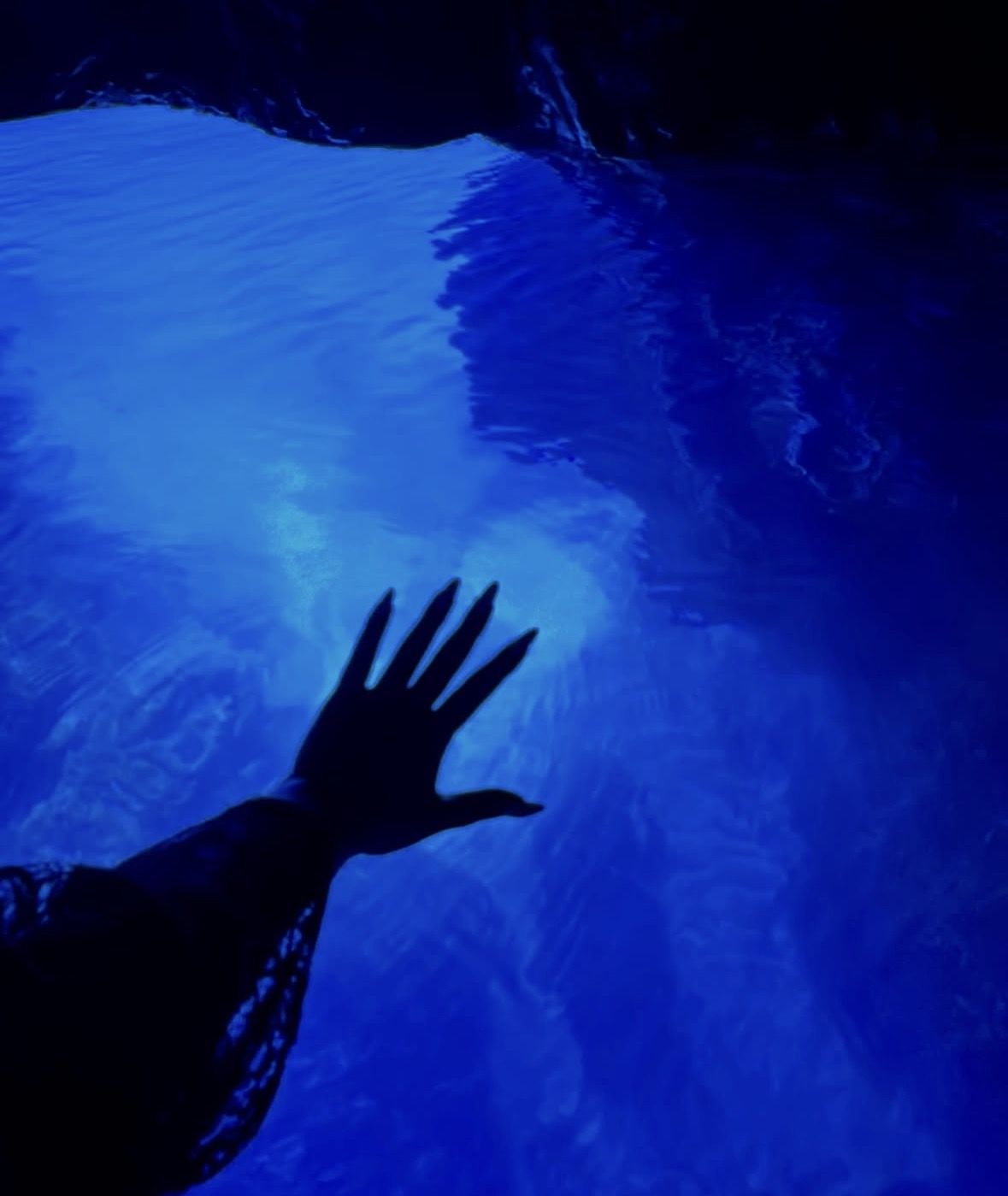
An otherworldly chamber of electric-blue light carved into the limestone cliffs of the Dalmatian coast awaits you. Whether you arrive by speedboat, kayak, or small-group cruise, this luminous sea cave is an unmissable highlight of any Croatian journey.
Featured Tour
The Small Group Blue Cave and Sunj Beach Boat Tour from Dubrovnik is the definitive way to experience the Adriatic's most mesmerizing natural wonder. Because groups are kept deliberately small, your skipper can give each guest personal attention from the moment you leave Dubrovnik's Old Harbour. You'll swim on the sandy shores of Sunj Beach on Lopud Island, snorkel through three sea caves carved into Koločep Island's limestone cliffs, and finally glide into the legendary Blue Cave — where sunlight filters through an underwater opening and transforms the water into every shade of electric blue imaginable. It is genuinely something you will talk about for years.
About the Destination
Nestled along Croatia's sun-drenched coastline, this luminous sea cave draws visitors from across the globe. Its surreal azure glow, accessible only by boat, makes it one of the Adriatic's most photographed natural phenomena.
The sea cave most commonly visited on a Blue Cave Dubrovnik tour is located near the island of Bisevo, roughly 90 kilometres northwest of Dubrovnik, though several stunning coastal caves are also found closer to the city along the Elaphiti Islands and the Pelješac peninsula. The cave's hallmark is the way sunlight filters through an underwater opening, scattering across the walls and ceiling to produce a vivid, almost neon-blue luminescence that photographers and swimmers alike find irresistible.
Sea caves along the Dalmatian coast have been known to local fishermen and sailors for centuries, long before they became tourist attractions. The Blue Cave on Bisevo — known locally as Modra Špilja — was made accessible to visitors in the 1880s when Austrian naturalist Baron Eugen von Ransonnet had an additional entrance blasted to allow boats inside. This transformation turned a hidden geological curiosity into one of the most celebrated natural sights in the entire Mediterranean, drawing artists, royalty, and adventurers throughout the late 19th and early 20th centuries.
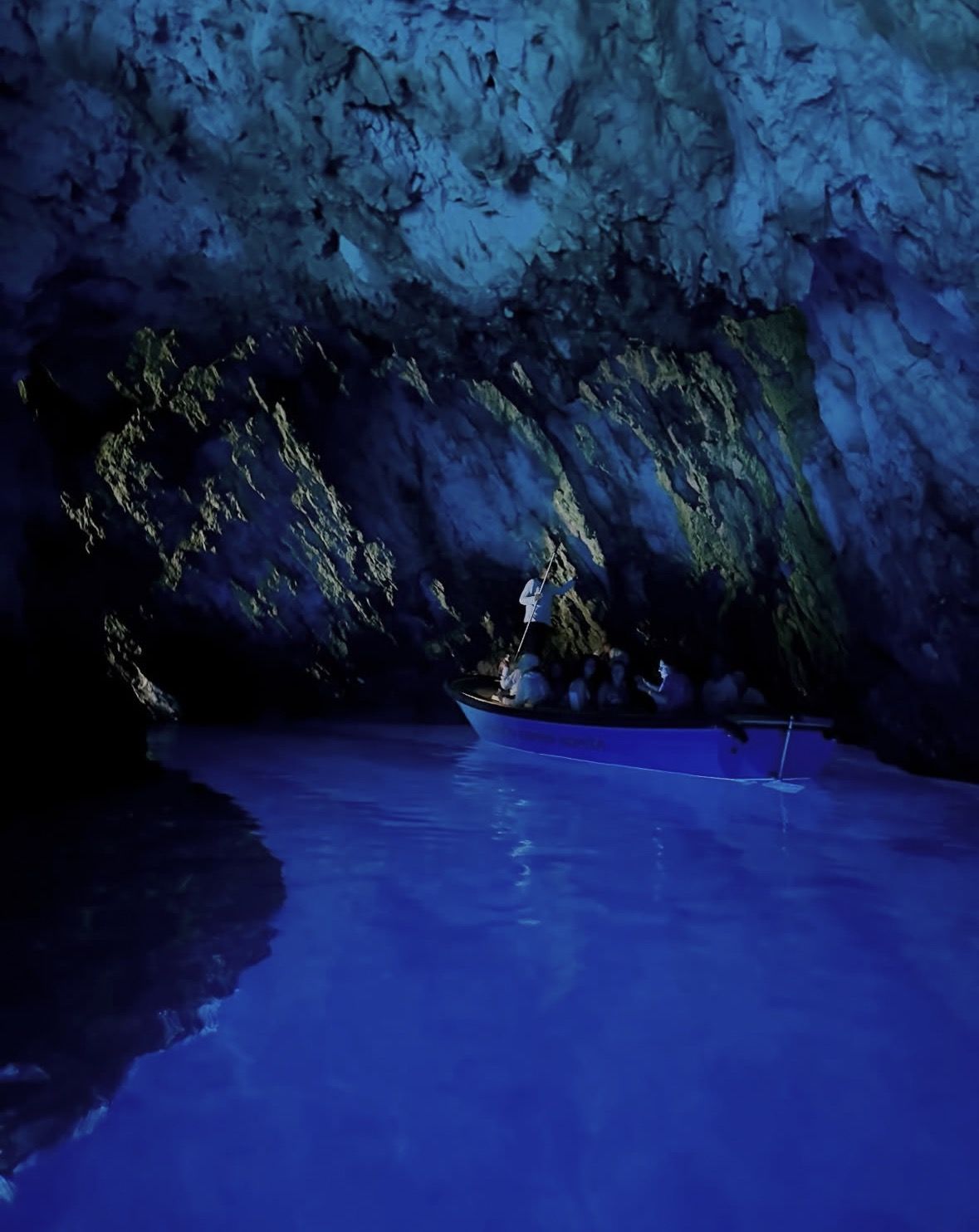
Visitors entering the cave by small wooden dinghy are immediately struck by the silence and the intensity of the blue light playing across the water's surface. The effect peaks between 11 a.m. and noon, when the sun's angle is perfect. Those on a blue cave small group boat tour from Dubrovnik often combine the cave with nearby Bisevo's Monk Seal Cave and a swim at the green cave or Stiniva beach. Time inside is limited to around 15 minutes per group, so arriving on a less-crowded tour makes the experience feel genuinely intimate.
The cave was made accessible in 1884 after a second entrance was carved by Baron Eugen von Ransonnet. Before this intervention, only free divers could witness the spectacle inside.
The electric-blue glow is at its most intense between 11 a.m. and noon. Sunlight enters through a submerged opening and refracts off the white sandy seabed, flooding the chamber with colour.
The cave stretches approximately 24 metres in length and rises up to 12 metres in height. Its relatively small size means visitor numbers inside are strictly controlled at any one moment.
The waters around Bisevo support rich marine biodiversity. Snorkellers regularly spot octopus, sea bream, and moray eels in the crystal-clear Adriatic just outside the cave entrance.
Many full-day itineraries departing from Dubrovnik visit up to five islands including Hvar, Vis, and the Elaphiti chain. This makes the journey as rewarding as the destination itself.
A speedboat covers the distance from Dubrovnik to Bisevo in approximately two hours. Slower catamaran transfers can take up to three and a half hours but offer a more relaxed ride.
The most popular way to reach the cave, a blue cave speedboat tour Dubrovnik gets you there fast and in style. Ribbed inflatable speedboats seat 8–12 passengers and often include multiple island stops.
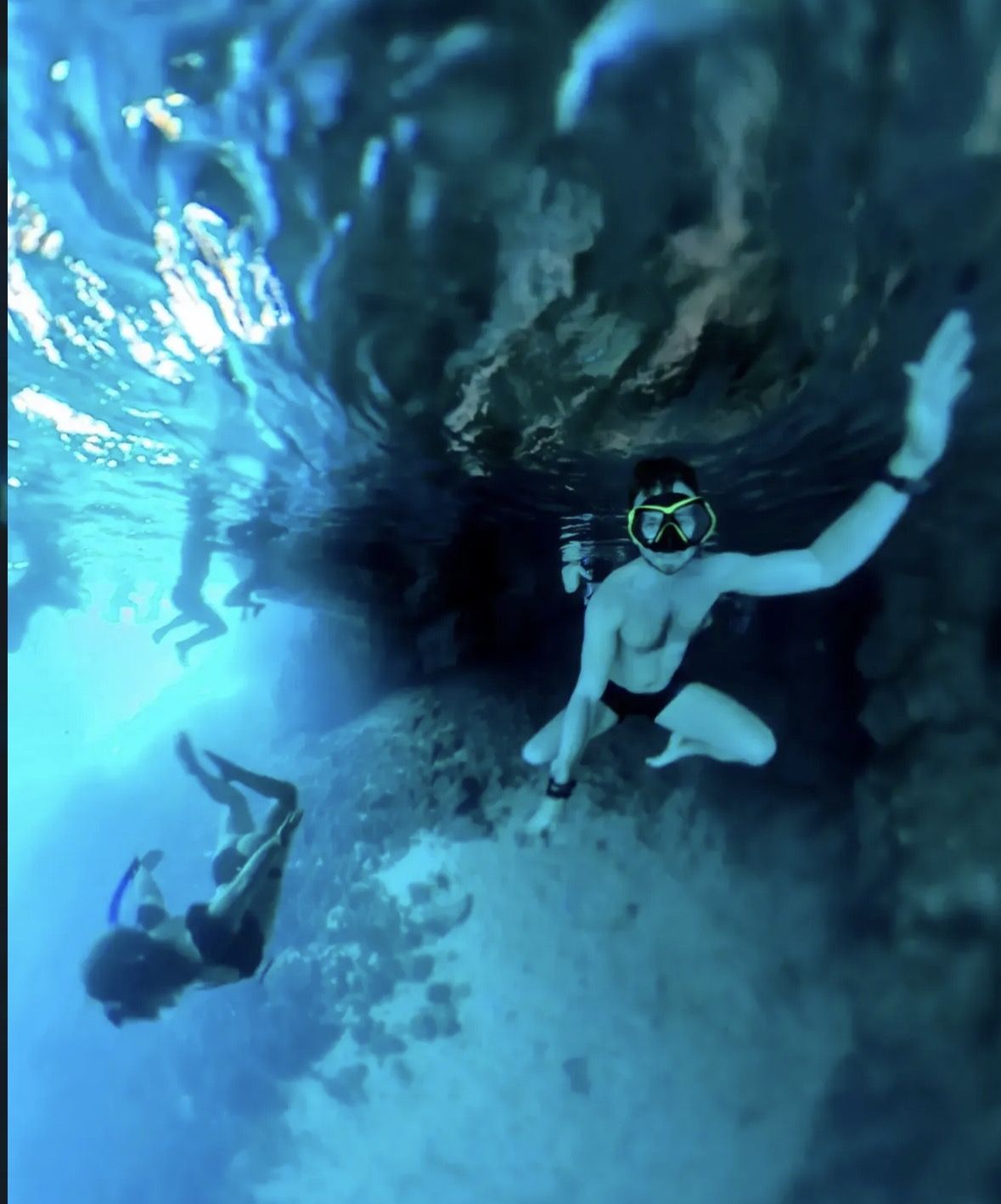
Blue cave Dubrovnik snorkeling packages combine the cave visit with guided underwater exploration at nearby reefs and beaches. Equipment is usually provided, and guides point out the best marine life hotspots.
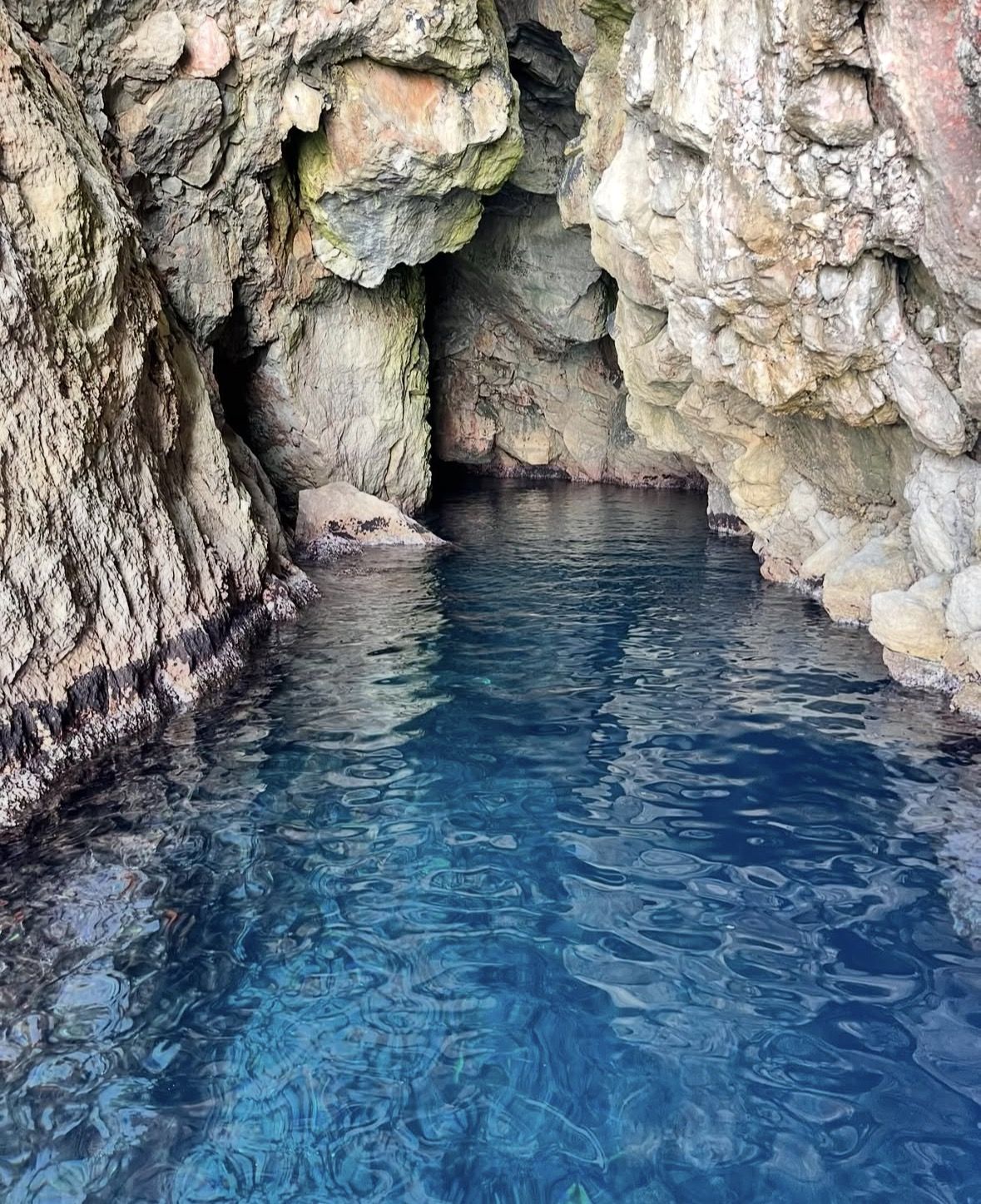
Blue cave kayaking Dubrovnik tours suit travellers who prefer a slower, closer-to-the-water experience. Guided kayak routes hug the coastline and let paddlers explore sea arches and hidden coves inaccessible by larger boats.
A blue cave small group boat tour from Dubrovnik keeps group sizes low — typically under 12 people. This means shorter waits at the cave entrance and a more personal experience with your guide.
Half day and full-day group blue cave tours Dubrovnik pair the cave with free-swim stops, seafood lunches on Hvar or Vis, and panoramic coastal cruising. A fantastic way to see multiple highlights in one trip.
The cave's surreal blue light creates dreamlike conditions for underwater photographers. Bring a waterproof camera or rent a GoPro from your tour operator to capture the glow on video and in stills.
Weighing up the world's most celebrated sea caves to help you decide which glowing grotto deserves a spot on your itinerary.
When planning a sea-cave experience in Europe, travellers often debate between the most famous options. Blue Cave Dubrovnik tops many bucket lists for its accessibility from a major tourist hub and its intensely vivid light display, but alternatives in Italy, Montenegro, and Greece each bring their own character. This comparison covers crowd levels, typical costs, ideal visitor profiles, and what makes each cave uniquely worth the trip — so you can choose with confidence.
| Crowds | Price | Best For | What Sets It Apart | |
|---|---|---|---|---|
| ★ Blue Cave Dubrovnik | Moderate (manageable with early or small-group tours) | €60–€150 per person | Adventure seekers, snorkellers, island-hoppers | Easiest Dalmatian cave to combine with multi-island day trips |
| Blue Grotto, Capri (Italy) | Very crowded; long rowboat queues in summer | €15–€20 cave fee + €20+ boat transfer | First-time Mediterranean visitors | World-famous; stunning but highly commercialised |
| Blue Cave, Hvar (Bisevo) | High demand; best visited early morning | €30–€50 from Hvar alone | Travellers already based on Hvar or Vis | Same cave — closer and cheaper if you're already on the islands |
| Blue Eye (Syri i Kalter), Albania | Low; still off the beaten path | Free to enter; ~€30 transfer | Budget travellers, nature lovers | Freshwater spring phenomenon rather than a true sea cave |
For travellers based in southern Dalmatia, no itinerary beats the convenience and spectacle of Blue Cave Dubrovnik — you get Croatia's most iconic cave combined with world-class island scenery, snorkelling, and vibrant coastal culture, all in a single day. Capri's version is iconic but overcrowded; Hvar-based access makes sense only if you're already there; and Albania's Blue Eye, while magical, is an entirely different experience. This destination remains the standout choice for sheer value and variety.
Travel Guide
Everything you need to plan a seamless visit to one of Croatia's most dazzling natural wonders.
Dubrovnik is well connected internationally via Dubrovnik Airport (DBV), which receives direct flights from most major European cities, particularly from April through October. From the airport, taxis and shuttle buses reach the Old Town in 20–30 minutes. No direct flights reach the cave itself — all visitors travel onward by sea from Dubrovnik's harbours. Many travellers also arrive by ferry from Split or by cruise ship docking at Gruž Port.
Once in Dubrovnik, your tour departure point is typically the Old Harbour (Stara Luka) just outside the Ploče Gate, or Gruž Port for larger vessels. Speedboat and small-group tours load passengers directly at the quay. Public ferries serve the Elaphiti Islands daily, though reaching Bisevo by public transport requires an overnight stay on Vis — making a guided tour from Dubrovnik the most practical option for most visitors.
The cave is accessible from April through October, with June, July, and August offering the warmest water and the longest daylight windows. However, peak summer (mid-July to mid-August) brings the heaviest tourist traffic and the longest queues at the cave entrance. May, early June, and September offer an ideal balance — warm enough to swim, light enough to see the full glow, and far less crowded than the height of summer.
Croatia's Dalmatian coast enjoys a classic Mediterranean climate: hot, dry summers and mild, wetter winters. Sea temperatures peak at around 26 °C in August, perfect for snorkelling. Spring visits (April–May) can see occasional rain and choppier seas, though the crowds are minimal. Autumn (September–October) is beloved by experienced travellers — golden light, warm water, and a more relaxed atmosphere. The cave itself is closed from November through March due to rough Adriatic swells.
Packing smart is essential for a day at sea along the Dalmatian coast. Sunscreen is your single most important item — UV intensity on open water is intense, and you will spend several hours exposed. A reusable water bottle keeps you hydrated without adding to plastic waste. Bring your swimsuit under your clothes so you're ready for spontaneous swim stops, and pack a quick-dry towel since these are rarely provided on budget tours.
Footwear with grip is recommended for clambering in and out of small dinghies at the cave entrance. A light windproof layer is wise even in summer — speedboats create a noticeable wind chill at full throttle. If you plan to snorkel, bringing your own mask and fins ensures the best fit, though most operators supply basic gear. A dry bag or waterproof phone case is essential to protect electronics from sea spray.
Book your tour as early as possible — entry to the cave is strictly limited, and peak-season slots sell out days or even weeks ahead. Always confirm your tour operator is licensed by the Croatian Ministry of Tourism. When inside the cave, resist the urge to touch the walls, as natural oils damage the delicate limestone. Tipping your guide 10–15% is customary and warmly appreciated. Carry some cash in Croatian euros for harbour snacks and small purchases on the islands.
Eating before you depart is wise — most speedboat tours stop for lunch on Hvar or Vis, but meal times can shift depending on the itinerary. Croatian cuisine at harbour restaurants is excellent; try fresh grilled fish (riba na žaru) and local Plavac Mali wine. Mobile data roaming works on most Croatian islands with EU plans. Bring a Croatian phrasebook app — locals are friendly and appreciate any effort with their language, even a simple 'hvala' (thank you).
No vaccinations are required for travel to Croatia from EU or most Western countries. The country has a high standard of medical care, and Dubrovnik's General Hospital is well equipped for emergencies. EU visitors should carry a valid European Health Insurance Card (EHIC). All other nationalities are strongly advised to purchase comprehensive travel insurance that covers water sports and boat excursions before departing — cave boat tours involve open-water swimming and boat travel.
Sea safety is the primary concern on any boat excursion. All reputable operators provide life jackets — wear yours whenever instructed. Children under 12 must wear a life jacket throughout the journey on most licensed vessels. If you have a heart condition or severe motion sickness, consult your doctor before booking a speedboat tour. The cave entrance is very low — you must lie flat in the dinghy — so this activity is not recommended for people with severe back or neck conditions.
Explore More
Pair your cave visit with these unmissable sights and experiences along the Dalmatian coast.

The Small Group Blue Cave and Sunj Beach Boat Tour from Dubrovnik is the definitive way to experience the Adriatic's most mesmerizing natural wonder.
Check this tour →
The Blue Cave & Šunj Beach Small-Group Boat Tour from Dubrovnik is one of the most captivating ways to experience the Adriatic.
Check this tour →
The Blue Cave and Elafiti Islands Speedboat Tour from Dubrovnik is one of the most breathtaking ways to experience the Adriatic coast.
Check this tour →
The Small Group Blue Cave & Elaphiti Islands Boat Tour from Dubrovnik redefines what a catamaran excursion can be.
Check this tour →
The Elaphite Islands Cruise and Blue Cave Snorkeling Boat Tour from Dubrovnik is a full-day adventure that blends natural wonders with authentic Dalmatian hospitality.
Check this tour →
The Blue Cave, Lopud, and Sunj Beach Speedboat Tour from Dubrovnik is the region's most celebrated island-hopping adventure, earning a near-perfect 4.9-star rating from nearly…
Check this tour →
The Dubrovnik Sea Kayaking Tour of Lokrum Island and Betina Cave is widely regarded as the original and most complete sea kayaking adventure on the Adriatic coast.
Check this tour →
The Blue and Green Caves Boat Tour from Dubrovnik with Šunj Beach takes you on a spectacular journey through some of the Adriatic's most breathtaking natural wonders.
Check this tour →
The Blue & Green Cave, Sunj beach Small Group Tour with Speedboat is your ticket to one of the Adriatic's most breathtaking natural wonders.
Check this tour →
The Speed Boat Tour to Elaphiti Caves and Sandy Beach from Dubrovnik takes you on an exhilarating small-group journey (maximum 10 guests) to some of the most spectacular natural…
Check this tour →
The Blue Cave Dubrovnik Half Day Small Group Speed Boat Tour is designed for travelers who want an intimate, unhurried experience at one of the Adriatic's most breathtaking…
Check this tour →
The Blue Cave and Hvar Tour - 5 Islands Tour from Split and Trogir is the region's most celebrated full-day sea excursion, and it's an ideal extension for anyone organising a blue…
Check this tour →Traveler Reviews
See what fellow travellers are saying about the Blue Cave Dubrovnik experience — read honest reviews from our guests.
"Absolutely breathtaking — the glowing blue light inside the cave was unlike anything I've ever seen. Our guide was knowledgeable, funny, and made sure everyone felt safe during the snorkeling stop. The speedboat ride along the coast was a bonus I hadn't expected to enjoy so much. I'd recommend this to anyone visiting the area without hesitation."
"We booked the small group boat tour and it was genuinely one of the highlights of our entire Croatian holiday. The cave itself is magical — the water turns this electric, luminous blue that photos simply can't capture. Our captain knew exactly when to arrive to avoid the bigger crowds, which made the whole experience feel exclusive. Don't even think twice about booking this."
"A wonderful half-day out that packed in more than I expected — the cave, a swim stop, and stunning coastal scenery. The guide was warm and well-organised, though we did have to wait briefly for another group to exit before we could enter. Once inside, the atmosphere was completely worth the wait. I'd take a hat and reef-safe sunscreen as the boat ride back can get hot."
"I chose the kayaking option and it turned out to be the best decision of my trip. Paddling through the entrance yourself gives you a sense of adventure that motorised tours simply can't replicate. The guides were patient, incredibly helpful with paddling technique, and the views of the cliffs from sea level were jaw-dropping. A truly unforgettable morning."
"We did the speedboat tour as a family with two teenagers and everyone loved it. The boat was comfortable and fast, the guide pointed out landmarks along the coast, and the cave itself left all four of us speechless. The snorkeling stop afterward was a perfect way to cool off and the water clarity was incredible. Easily a five-star experience from start to finish."
"A really enjoyable tour overall — the scenery en route is lovely and the cave genuinely delivers on the hype. I docked one star only because the departure point was slightly tricky to find without better directions in the confirmation email. Once we were underway, though, everything ran smoothly and our guide was excellent. I'd book again and just arrive a little earlier next time."
"The blue light that fills this cave is something I'll think about for years — it felt almost otherworldly. Our group was small, which meant we had plenty of time inside without feeling rushed. The guide also took us to a hidden beach that wasn't on the official itinerary, which was a lovely surprise. This is the kind of experience that makes travel feel genuinely special."
"I visited as a solo traveller and the relaxed, friendly atmosphere on board made it easy to chat with other guests. The snorkeling stop was fantastic — crystal-clear water and colourful fish right beneath the surface. Our captain was clearly passionate about the Adriatic coast and shared fascinating stories about the local area throughout. Honestly one of the best day trips I've ever taken."
Watch Before You Go
See the electric-blue light of Croatia's most spectacular sea cave come to life before you book your trip.
Location
The Blue Cave (Modra Špilja) is located on Bisevo Island, Split-Dalmatia County, Croatia — reached by boat from Dubrovnik's Old Harbour at Ulica od Tabakarije 1, 20000 Dubrovnik.
FAQ
Everything you need to know before you go — answers to the most common questions about visiting this stunning sea cave near Dubrovnik.
Ready to float inside Croatia's most magical glowing cave?
Book Your Tour NowDiscover More
First documented by Austrian naturalist Baron Eugen von Ransonnet in the 1880s, the cave was transformed from a secret fishermen's haunt into one of the Mediterranean's most celebrated attractions when a second entrance was blasted open to allow small boats inside. Its luminous reputation has drawn artists, royalty, and millions of travellers ever since.